

The Best Gift for a Parent Who Has Everything: Their Own Life Story
Another candle or sweater won't cut it this year. Here's the one gift that turns "what do I even get her" into something she'll actually treasure — and it starts with a single conversation.

Memoir vs. Autobiography: What’s the Difference, and Which One Is Your Story?
You've probably used the two words interchangeably. But when you're deciding what kind of book to write — or have written for you — the difference changes everything about how your story gets shaped.

How Much Does It Cost to Hire a Memoir Ghostwriter?
Most memoir ghostwriters won't tell you what it costs until you're already on a call with them. Here's the honest breakdown — every format, every price, no consultation required.
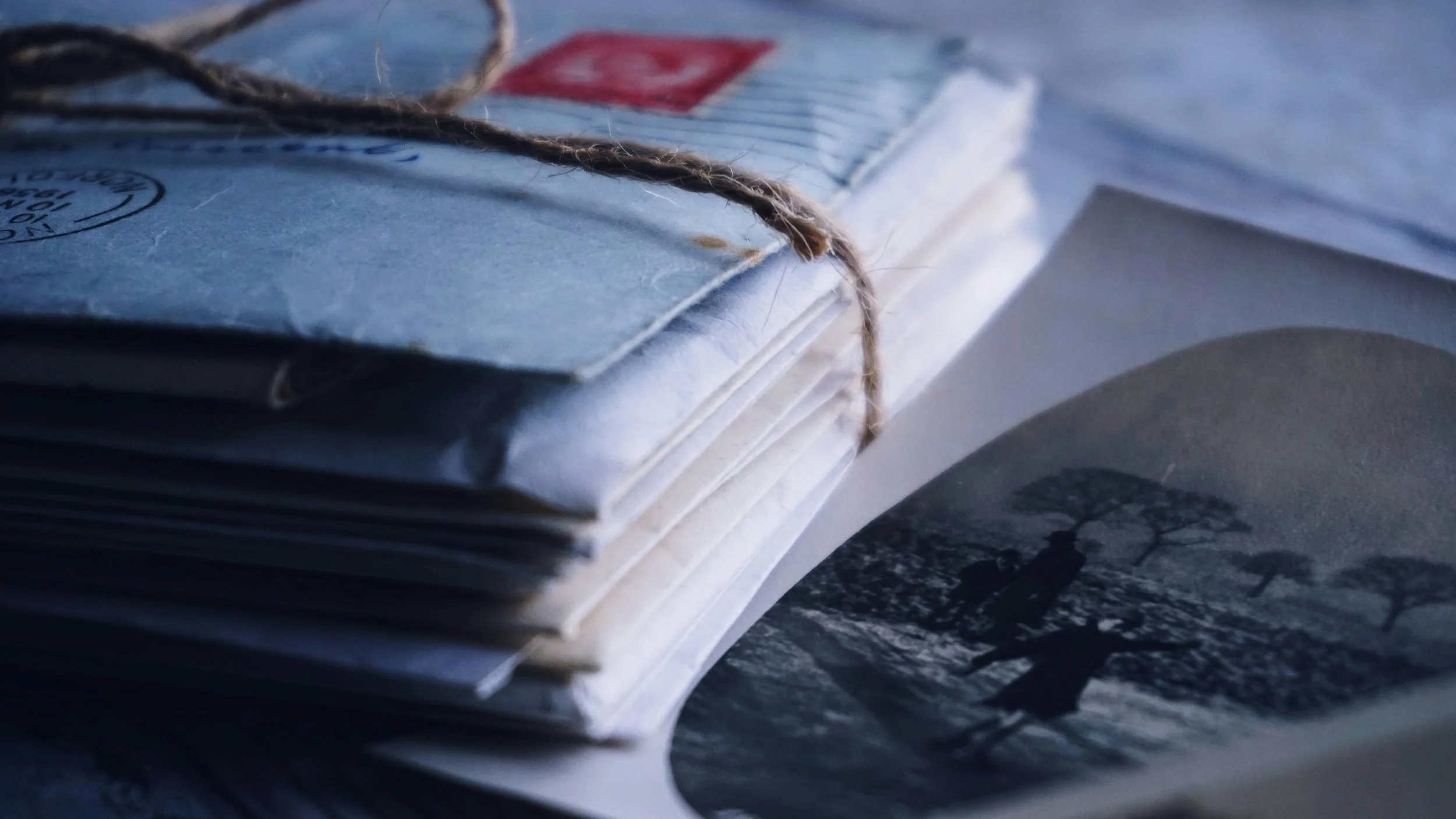
I used to think writing a memoir was all about memory. I was wrong.
I used to think that if I couldn’t remember something exactly, it didn’t deserve to be in my memoir. I was so wrong.
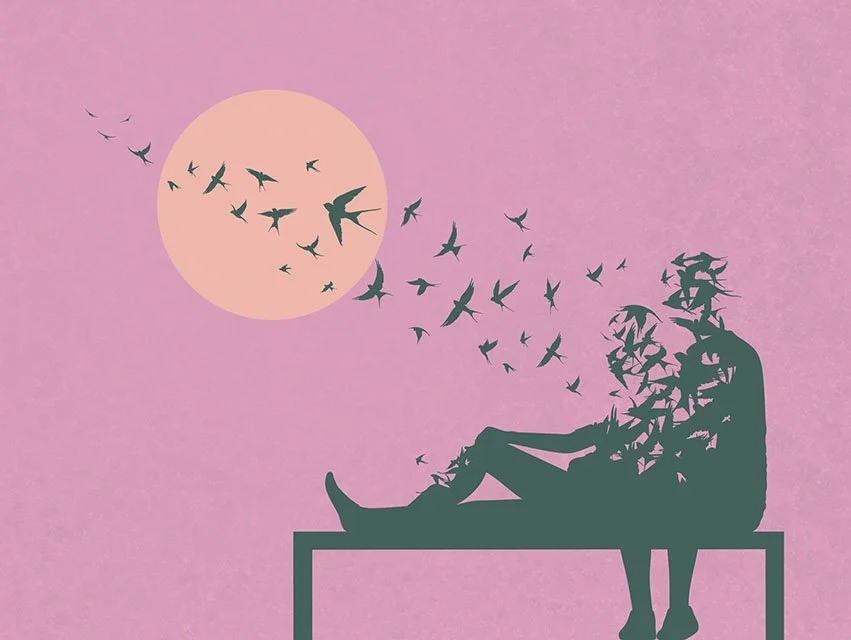
Apparently, “Someday” Is Not a Plan
At 65, mortality has started popping up in my thoughts more often than it used to. Am I morbid? Nope. Just realistic.

How to Build a Memoir Writing Habit in 2026 (Without Burning Out or Losing Your Nerve)
If you’ve told yourself this is the year you’ll finally write your memoir, you’re not alone. And if you’ve also told yourself that for the last five years, you’re still not alone. (Ask my husband!)
Memoir writing isn’t hard because you don’t have discipline. It’s hard because it asks you to sit with memory, emotion, uncertainty, and a blank page, often all at once.
Add modern distraction, perfectionism, and the pressure to “do it right,” and it’s no wonder most memoirs live forever in people’s heads instead of on paper.
So let’s do this differently in 2026. Here’s how.

On AI and Memoir (and the messy mess of memories)
Ai can do a lot of things… but it can’t write your memoir for you. Don’t even try it. Here’s why.

Why the End of the Year Is the Perfect Time to Begin Your Memoir
As the year draws to a close, reflection comes naturally. We look back on what changed us, what challenged us, and what we carried forward. This post explores why that instinct to reflect is the first step in shaping a memoir and making meaning of your life story.

When the World Hurts, We Carry Something Others Need
There are moments when the world feels like it’s coming apart. When fear is everywhere, and reassurance feels thin. If you’ve lived through enough hard chapters, you know something others may not yet: pain moves, seasons change, and even the most overwhelming moments eventually loosen their grip. This piece is about the quiet perspective that comes from surviving before, and why it matters now.

When Life Doesn’t Look the Way You Thought It Would
There comes a moment when you look at your life and realize it doesn’t resemble the picture you once held. The roadmap changed. Detours appeared. Dreams shifted. And yet, in the messy, unplanned, and unexpected parts, there’s often more depth, beauty, and truth than we ever imagined. This week’s post explores how to make peace with the life you’re actually living—and why it still holds so much possibility.
The “Third Act” Perspective: What You Can See Now That You Couldn’t at 25
There’s a unique kind of clarity that only arrives in the Third Act of life. It’s the moment you can finally look back and understand the patterns, choices, and younger versions of yourself with compassion instead of judgment. This post explores why your 60s and beyond are the best time to write your story, and how to use your hard-won perspective to create meaningful, powerful memoirs.

The Holiday Memories We Keep, and Why They Matter
Some of our strongest holiday memories aren’t the big celebrations; they’re the quiet, sensory moments that linger for years. The smell of a warm kitchen, the glow of tree lights, the sound of laughter drifting in from another room. In this week’s post, I explore why these small moments matter and how to gently capture the memories you never want to forget.

How to Listen to the Stories Your Body Remembers
Sometimes your body knows the truth before your mind catches up. The tightness in your chest, the sudden heaviness, the instinct to pull away—these sensations aren’t random. They’re the stories your body remembers, the ones it’s been quietly holding for you. This post explores how to listen to those stories with compassion, curiosity, and a little bit of courage.

Sharing Our Stories Without Shame
Shame thrives in the dark. But once we bring it into the light, it starts to lose its edge.

How Reading Rewires The Creative Brain
Ever notice how a good book changes how you see the world? That’s your brain at work, forming new connections, building empathy, and sparking creativity. Reading isn’t just imagination; it’s neuroplasticity in action.

When Memories Feel Fuzzy: How to Write Through the Gaps
If you’ve ever sat down to write about your life and thought, I can’t remember enough to do this, you’re not alone.
Most of us assume memoir writing requires perfect recall: dates, dialogue, the color of the wallpaper in 1973. But memory doesn’t work that way.
And that’s okay. In fact, that’s perfect. Because a memoir isn’t about remembering everything, it’s about remembering what matters.


How I Preserve Your Voice in Every Word I Write
There’s a rhythm hidden in the way each person speaks. A kind of music that only they create. My job is to find it and ensure it remains consistent throughout every word that follows. Here’s how I do it.

On Writing Through the Pain (Even When It Sucks)
Writing about your life can be cathartic… but it can also be incredibly painful at times. Here’s how to write to and through the pain so you come out the other side in one piece.

What’s a memoir map? And how can it help you organize your stories?
Have you been collecting memories, notes, voice memos, maybe even a tattered box of keepsakes… and now you’re wondering, what am I supposed to do with all this?
Good news: you don’t have to figure it all out at once.
You need a map. A memoir map. Here’s my 5-step process for putting it together.